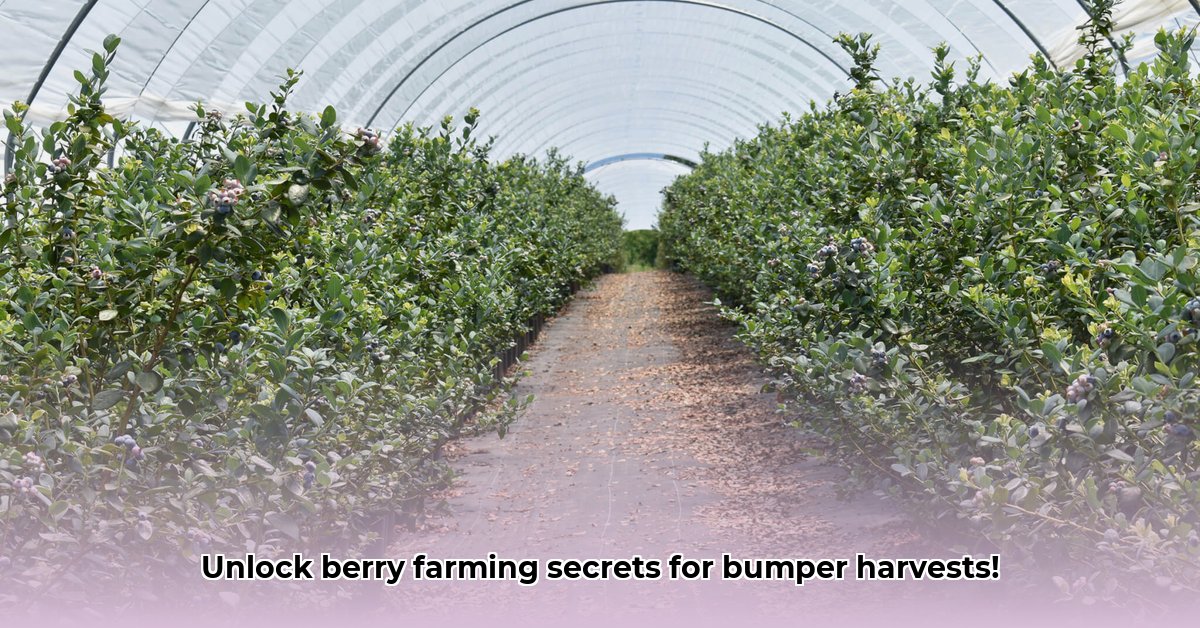
Growing organic berries presents a lucrative opportunity within a rapidly expanding market. This guide provides a comprehensive, step-by-step approach to achieving high yields while upholding sustainable practices. Whether you're a seasoned farmer or a budding entrepreneur, this resource offers the actionable intelligence needed for success. For more berry cultivation tips, check out this helpful resource: Berry growing guide.
Understanding Organic Berry Farming: Building a Strong Foundation
The cornerstone of successful organic berry farming is soil health. Regular soil testing (ideally, every year) is fundamental, allowing you to fine-tune pH levels and nutrient balances for optimal plant growth. A balanced soil ecosystem supports vigorous growth and natural pest resistance. Isn't a thriving soil the key to a thriving berry patch? This is achieved by incorporating organic matter through composting and cover cropping. Cover crops, such as legumes or rye, not only suppress weeds but also add vital nutrients as they decompose.
Integrated pest management (IPM) is central to organic disease and pest control. IPM focuses on preventing pests and diseases rather than reacting to outbreaks. Strategies include crop rotation to disrupt pest cycles, attracting beneficial insects (like ladybugs) to naturally control populations, and meticulous monitoring for early detection. Early detection can dramatically reduce the need for interventions and maintain healthy growth. Remember, a resilient ecosystem is your best defense.
Organic certification signifies your commitment to sustainable practices and opens doors to premium markets. This involves meticulous record-keeping and adherence to strict regulations. Choosing a reputable certifying agent simplifies this process.
Berry-Specific Considerations: Tailoring Your Approach
Each berry type presents unique challenges and opportunities. Understanding these nuances is key to maximizing your yields.
Strawberries
Strawberries thrive in well-drained, sunny locations. Mulching effectively suppresses weeds and retains soil moisture, reducing the likelihood of root rot. Selecting disease-resistant varieties is paramount.
Blueberries
Blueberries prefer acidic soil (pH 4.5-5.5) and well-drained conditions. They are highly susceptible to Phytophthora root rot, a devastating fungal disease. Strategic soil amendments, proper drainage, and resistant cultivars are crucial for prevention.
Raspberries and Blackberries
These brambles need strong support systems (trellises or stakes) to prevent tangled growth and improve air circulation, reducing disease risk. Regular pruning maintains plant productivity. Consistent weed control prevents competition for resources.
Practical Steps for Organic Berry Success: A Proven Roadmap
This section details actionable steps for optimizing your berry production.
Soil Preparation: Conduct a thorough soil test to determine pH and nutrient levels. Amend the soil with compost and other organic materials to create a nutrient-rich environment.
Variety Selection and Planting: Choose disease-resistant varieties suitable for your local climate and soil conditions. Plant at the optimal time for your region, ensuring proper spacing for growth and air circulation. Did you know that choosing the correct variety might increase your yield by 15%?
Pest and Disease Management: Implement IPM strategies, prioritizing prevention through crop rotation, beneficial insect attraction, and meticulous monitoring and early intervention.
Irrigation: Install a drip irrigation system for efficient water delivery directly to the plant roots. Monitor soil moisture to avoid overwatering, a major contributor to root rot.
Organic Fertilization: Utilize organic fertilizers, such as compost tea, to provide essential nutrients. Cover crops also provide a natural fertilizer source.
Harvesting and Handling: Harvest berries at optimal ripeness and handle carefully to minimize damage.
Marketing: Explore diverse marketing channels to ensure the best return on your investment; farmers' markets, CSAs, and direct sales are excellent options.
Overcoming Challenges: Strategies for Success
Organic berry farming faces unique challenges compared to conventional methods. However, strategic planning and resource management can mitigate these issues.
Higher Initial Costs: Explore grants and subsidies, focus on efficient resource management, and prioritize preventative measures.
Lower Initial Yields: Focus on soil health, disease prevention, and choose disease-resistant cultivars. Yields typically increase over time as the soil ecosystem develops.
Increased Labor: Efficient practices, tools, and possibly some paid labor can make the workload manageable.
Pest and Disease Management: The proactive use of IPM strategies will help avoid potential losses of your crops.
Resources and Further Reading
For continuous learning, connect with local agricultural extension offices, organic farming associations, and participate in workshops and training opportunities. The USDA website is an excellent starting point for research and resources.
Conclusion: Embracing the Rewards of Organic Berry Farming
Organic berry farming, while demanding, presents a lucrative opportunity within a burgeoning market. By adopting sustainable practices, understanding the unique needs of each berry type, and proactively addressing potential challenges, you can cultivate a thriving and profitable enterprise. Remember that consistent effort and dedication are the cornerstones of success in this rewarding field.